
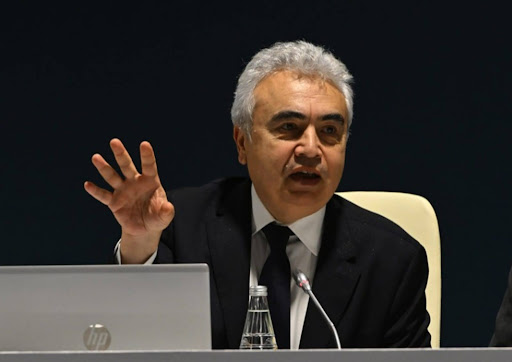
Fatih Birol, the head of the International Energy Agency, has outlined the three essential steps he believes are needed to bring the global energy crisis caused by the Iran war under control. Speaking in Canberra, Australia, the IEA chief said these steps are: reopening the Strait of Hormuz, releasing additional strategic reserves if needed, and reducing global energy demand through targeted policy measures. He made clear that without all three working in concert, the crisis — which he described as equivalent to the 1970s oil shocks and Ukraine gas disruption combined — would continue to deepen.
The conflict began February 28 with US and Israeli strikes on Iran, which rapidly led to the closure of the Hormuz strait and extensive damage to Gulf energy infrastructure. Since then, 11 million barrels of oil per day and 140 billion cubic metres of gas have been removed from world markets. At least 40 Gulf energy assets have been severely damaged, making a quick supply restoration impossible even after hostilities cease.
The IEA has already taken action on two of its three key priorities: it released 400 million barrels from strategic reserves on March 11 — the largest such action in history — and called on governments to adopt demand-reducing measures including remote work, lower speed limits, and fewer flights. Birol said further reserve releases were under consideration and that the agency was in active consultation with governments across three continents.
The most critical and most difficult step remains reopening the Hormuz strait, through which about 20 percent of global oil supply flows. The closure has created acute shortages across Asia and Europe, hitting Asia-Pacific nations particularly hard. Japan indicated it could participate in minesweeping operations if a ceasefire is agreed, and Birol welcomed any steps that could help restore safe navigation through the waterway.
Trump’s ultimatum to Iran to reopen the strait was met with threats of retaliation from Tehran against US and allied energy and water infrastructure. Birol expressed hope for a diplomatic resolution while warning that no country would escape the consequences of a prolonged crisis. He met with Australian Prime Minister Anthony Albanese and called for the strongest possible international coordination in addressing what he called an energy emergency of truly historic proportions.