
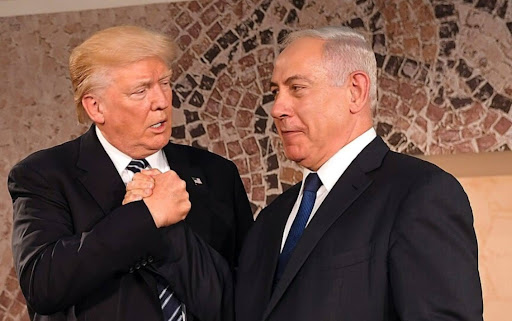
The US-Israel war against Iran was always going to carry risks of escalation. But the strike on Iran’s South Pars gas field — and the Iranian retaliation that followed — has raised the prospect that the conflict is beginning to slip beyond the careful boundaries Washington thought it had established. US President Donald Trump’s public acknowledgment that he told Israeli Prime Minister Benjamin Netanyahu not to carry out the strike has reinforced concerns among regional powers that Israel is pursuing its own escalation timeline, independent of American guidance.
Gulf states, whose economic stability is directly tied to energy market conditions, reacted with alarm to the Iranian retaliatory strikes on regional infrastructure. Oil and gas prices surged, supply chains wobbled, and governments from Saudi Arabia to the UAE urged Washington to take a stronger position on limiting Israeli military action. The message to Trump was clear: America’s ally was making decisions that were costing the region economically and putting stability at risk.
Netanyahu did not appear moved to fundamental change. He confirmed Israel acted alone in the South Pars strike and agreed to hold off on further attacks on the gas field — but only in response to Trump’s explicit request. His language around the episode was deliberately cooperative and deferential, but the underlying posture remained one of sovereign military judgment. Israel, Netanyahu made clear, would make its own decisions.
The credibility of US oversight took a hit when multiple reports indicated Washington had prior knowledge of the strike despite Trump’s initial denial. US officials walked the situation back, emphasizing coordination and American strategic independence. The combination of Trump’s public objection, his claimed ignorance, and then the contradicting reports gave observers the impression of a relationship that was messier than its public presentation.
The core issue — different endgames — remains unresolved. Trump’s goal is nuclear prevention; Netanyahu’s is regional transformation. Those are compatible in some ways but divergent in others, and the divergence tends to produce exactly the kind of unilateral escalation seen at South Pars. Director of National Intelligence Tulsi Gabbard put it plainly before Congress: the two leaders’ objectives are not the same. That reality will continue to shape — and test — the alliance.